
Spring break festivities are shown in this photo on Fort Lauderdale Beach. [ MIKE STOCKER | South Florida Sun-Sentinel ]
Spring Break attracts millions of visitors to Florida every year — and Clearwater consistently ranks as one of the top destinations for travelers seeking beaches, nightlife, and warm weather. But with the massive influx of tourists in March 2026, comes a surge in accidents, injuries, and confusing legal situations that visitors often aren’t prepared for.
If you’re visiting Clearwater for Spring Break 2026 and are involved in a car accident, beach injury, hotel incident, or rideshare crash, here’s exactly what you need to know to protect your health, your rights, and any potential personal injury claim.
Why Spring Break Accidents Spike in Clearwater
During peak Spring Break season, Clearwater experiences:
- Heavy traffic and congested roads
- Crowded beaches and boardwalks
- Increased alcohol consumption
- High-volume rideshare activity
- Tourists unfamiliar with Florida laws
This creates a perfect storm for preventable injuries — especially for visitors who may not know how Florida’s insurance and liability rules work.

Spring Break in Fort Lauderdale, FL on Thursday. Credit : TNS via ZUMA Wire
Common Spring Break 2026 Injuries in Clearwater
While every trip is different, these are the most reported injury types during spring break:
1. Rental Car Accidents (One of the Most Common Tourist Injuries)
Tourists often rent cars but are unfamiliar with Florida roads, roundabouts, and high-traffic areas like Gulf-to-Bay Blvd and Memorial Causeway.
Common rental car accident causes include:
- Distracted drivers taking vacation photos
- Drunk driving (especially late nights)
- Misinterpreting Florida’s high-speed merges
- Aggressive lane changes to avoid beach traffic
- Out-of-state drivers misunderstanding right-of-way
Who pays if you’re hit in a rental car?
Liability may fall on:
- The at-fault driver
- Your rental car insurance
- Your personal auto policy (if it extends to rentals)
- A negligent third party (rideshare, commercial vehicle, pedestrian)
A tourist injury lawyer can quickly sort this out for you.
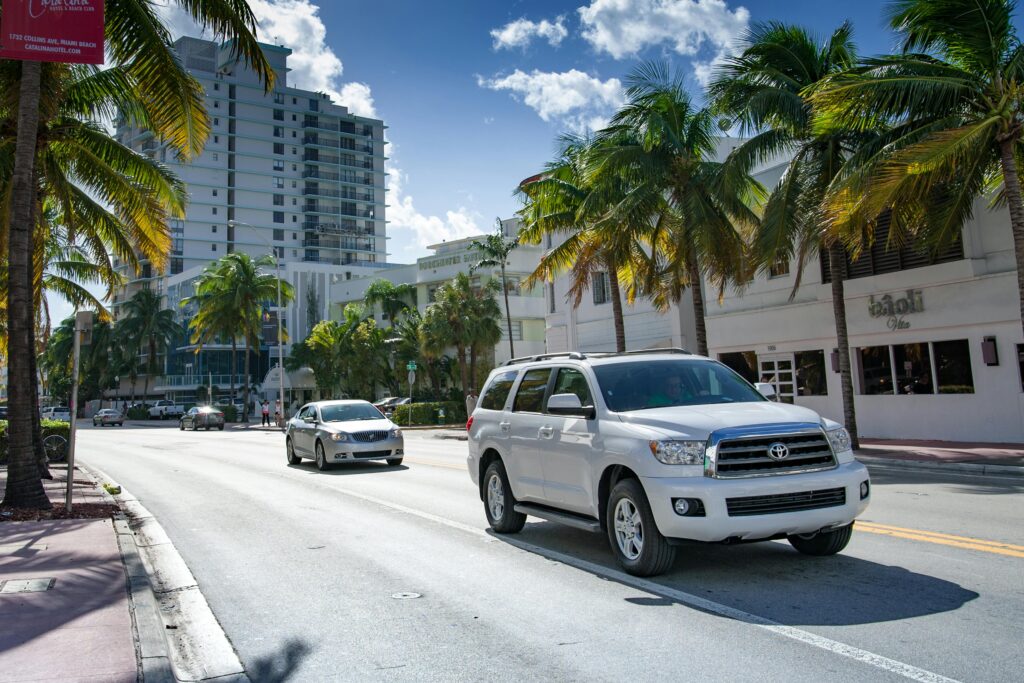
2. Rideshare (Uber/Lyft) Accidents Are Surging in 2026
With more tourists relying on rideshare instead of renting cars, Uber and Lyft accidents spike every March.
If you’re injured as:
- A passenger
- Another driver hit by a rideshare
- A pedestrian struck by a rideshare
You may be eligible for compensation from Uber’s/Lyft’s $1 million liability policy, depending on whether the driver was actively carrying a passenger or en route.
This is one of the most misunderstood areas of tourist injury law — and one of the most valuable to clarify early.

3. Hotel & Airbnb Injuries: Slips, Falls, and Hidden Hazards
Clearwater’s hotels, condos, and short-term rentals must maintain safe premises. But during Spring Break, properties become overcrowded, understaffed, and prone to accidents like:
- Balcony or stairway falls
- Slippery pool decks
- Broken railings
- Inadequate security
- Trip hazards in hallways
- Unmonitored pool or hot tub areas
If negligence contributed to the injury, the property owner — not the tourist — may be liable.
4. Beach & Boardwalk Injuries (Often Overlooked But Very Common)
Crowded beaches equal more injuries, especially around:
- Jet skis
- Parasailing
- Beach rentals
- Scooters & electric bikes
- Volleyball courts
- Boat tours
Injuries may include:
- Collisions with rented equipment
- Boat wake accidents
- Pedestrian impacts from scooters
- Sunburn or heat illness caused by lack of posted warnings
- Jellyfish or stingray injuries at poorly monitored swim zones
If a rental company or operator failed to follow safety protocols, they may be responsible.
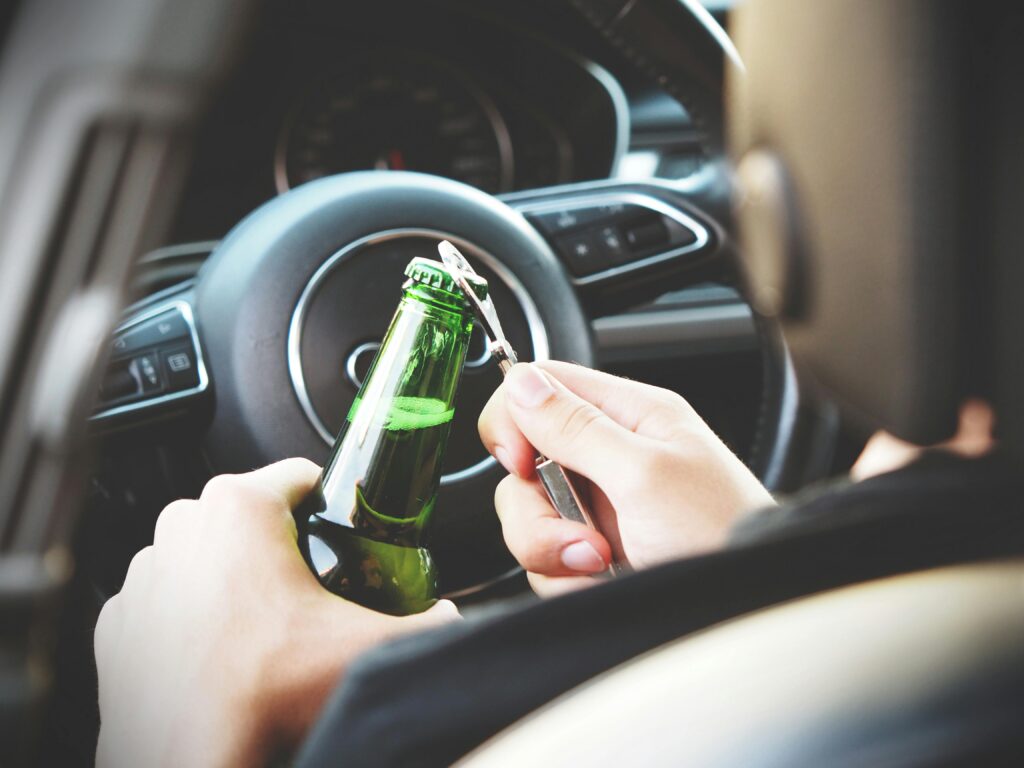
5. Drunk Driving Accidents (Tourist vs. Tourist or Local vs. Tourist)
Alcohol is a major Spring Break factor — and DUI crashes skyrocket. If you’re hit by a drunk driver, their liability can be clear, but recovering damages as a tourist requires navigating:
- Out-of-state insurance
- Florida PIP rules
- Multiple policies
- Possible dram shop liability for bars that overserved them
What Tourists MUST Do Immediately After a Spring Break Injury
Florida law is extremely strict about timelines and evidence. Here’s what to do:
1. Call 911 — Even If You Think It’s Minor
Reporting the accident creates a legal record. Not having a police report weakens your case.
2. Take Photos and Videos of EVERYTHING
Document:
- Injuries
- Vehicle damage
- Hazards (wet floors, broken steps, unlit walkways)
- Weather conditions
- Witnesses
- Property damage
This evidence becomes critical later.
3. Save Medical Records (Your Home-State Insurance Still Applies)
Tourists frequently make the mistake of returning home and forgetting:
- ER records
- Urgent care receipts
- X-ray/MRI paperwork
These records are essential for a Florida claim.
4. Don’t Speak to Insurance Companies Alone
Whether it’s:
- A rental car company
- Uber/Lyft
- A hotel chain
- Property management
- Another driver’s insurer
—none of them are on your side. They often delay, deny, or minimize tourist claims.
5. Call a Clearwater Personal Injury Attorney Before Leaving Florida
The biggest Spring Break mistake tourists make: They leave the state before learning their rights.
A Clearwater injury lawyer can help with:
- Filing claims even after you return home
- Tracking down insurance policies involved
- Preserving video footage from hotels or roads
- Advising before giving a recorded statement
- Ensuring you’re not blamed unfairly
Why Florida Tourist Injury Claims Are More Complicated in 2026
Tourist injury cases involve:
- Multi-state insurance
- Out-of-state policies
- Rental contracts
- Rideshare policies
- Florida-specific statutes
- Multi-jurisdiction medical billing
An attorney familiar with tourist claims can simplify the entire process.
When You Should Call a Clearwater Injury Lawyer Immediately
You absolutely need an attorney if:
- You were injured in a rental car accident
- You were hurt in an Uber/Lyft
- A hotel, Airbnb or resort was negligent
- You fell due to unsafe property conditions
- A beach rental operator failed to provide safety instructions
- A drunk driver caused your crash
- A business has surveillance footage you need preserved
A Safe Spring Break Starts With Knowing Your Rights
Clearwater is an incredible Spring Break destination — but accidents do happen. Whether you’re here for vacation or visiting family, knowing what steps to take after an injury can protect your health, your finances, and your legal rights.
If you were hurt during Spring Break 2026, you don’t have to handle it alone. A Clearwater personal injury attorney can guide you through the process, even after you return home — ensuring the insurance companies don’t take advantage of you.