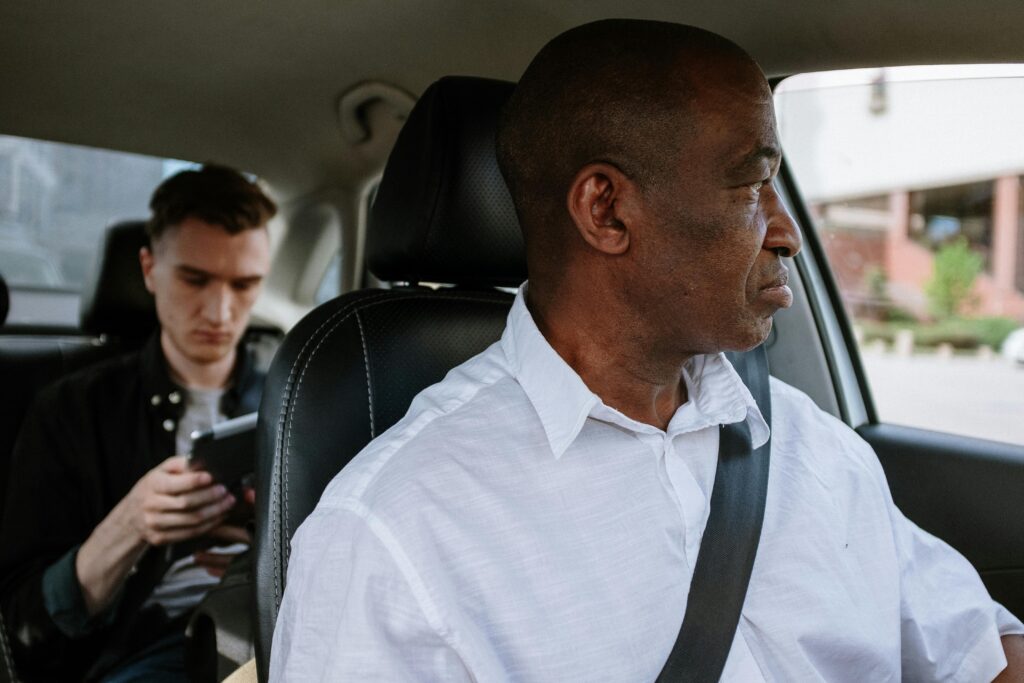
The last week of December is known for family gatherings, last-minute shopping, packed nightlife, and (let’s be honest) a lot of end-of-year celebrating. Because of that, apps like Uber and Lyft explode in usage. For many people, rideshare trips are a smart, responsible option during the holidays — but what most Floridians don’t realize is that December is also one of the highest months for rideshare-related accidents.
And with more traffic on the roads, more tourism, and more distracted drivers, accidents don’t just rise — the legal complications rise too.
Whether you’re using Uber or Lyft to get to a family dinner or skipping driving after a night out, this is the guide every Florida resident needs as we wrap up the year.
Why Uber & Lyft Accidents Spike at the End of December
Several factors collide this time of year:

1. Heavy Holiday Traffic
Florida already has busy roads, but December brings:
- Tourists
- Snowbirds
- Holiday shoppers
- People rushing between events
More cars + more distractions = more risk.
2. Higher Nighttime Travel
A huge percentage of Uber/Lyft trips this week happen after sunset — when visibility drops and impaired drivers increase.
3. Surge Pricing = More Untrained or Inexperienced Drivers on the Road
When surge pricing hits, part-time or inexperienced rideshare drivers log on to make extra money. The issue?
- Many don’t know the area well
- Many are tired from working extra holiday hours
- Some rely heavily on GPS and miss sudden traffic changes
4. Distracted Driving Spikes
Rideshare drivers are constantly:
- Picking up new rides
- Navigating
- Responding to app notifications
- Checking maps
It only takes one second for an accident to occur.
“What If My Uber/Lyft Gets Hit?” — Who Pays in Florida?
This is the part most riders never think about until it’s too late.
Rideshare accidents work differently because multiple insurance policies may be involved. In Florida, fault is influenced by the driver’s “status” on the Uber/Lyft app. Learn more.
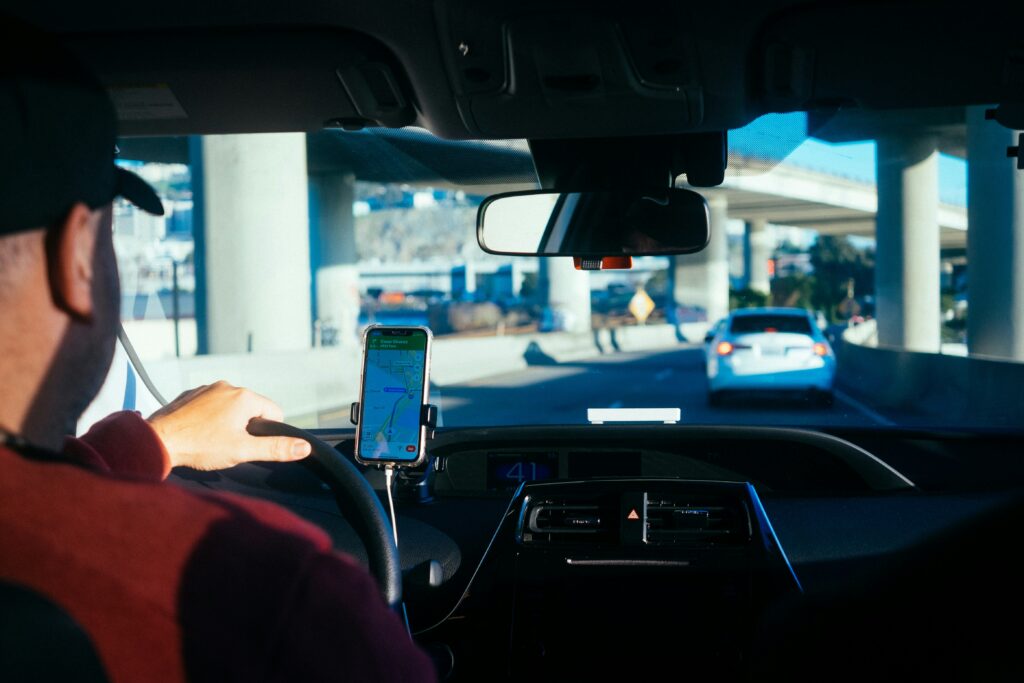
If the rideshare driver is NOT logged into the app:
Only the driver’s personal auto insurance applies.
If the rideshare driver is logged in but doesn’t have a passenger:
Uber/Lyft provides limited coverage:
- $50,000 per person
- $100,000 per accident
- $25,000 for property damage
If you are a PASSENGER and the ride is active:
This is where the coverage is strongest.
Uber and Lyft provide up to $1,000,000 in liability coverage.
But — and this is important — just because these policies exist doesn’t mean they’re easy to access. Insurance companies will:
- Blame another driver
- Try to reduce your compensation
- Claim you weren’t injured
- Push quick low-ball settlements
This is why talking to an attorney before signing anything is critical.
Most Common End-of-Year Rideshare Injuries

Rideshare collisions often happen at high-traffic intersections, especially in Miami, Tampa, Orlando, and Jacksonville. The most common injuries victims experience include:
- Neck and back injuries
- Concussions
- Whiplash
- Broken bones
- Shoulder injuries from the seat belt
- Knee injuries from the impact
- Wrist/hand injuries from bracing during the crash
Even if you feel “fine,” many injuries show up hours or days later — especially soft-tissue injuries.
“I Was Just a Passenger — Do I Really Need a Lawyer?”
During the holidays, many people hesitate to involve a lawyer. They don’t want to “make things complicated.” But here’s the truth:
✔️ You weren’t driving.
✔️ You didn’t cause the accident.
✔️ You deserve full compensation for what happened.
Passengers are almost never blamed in rideshare crashes — but insurance companies still try to:
- Delay claims until after the holidays
- Offer quick payouts that don’t cover medical bills
- Claim your injuries were “pre-existing”
A personal injury attorney can:
- Determine which insurance is responsible
- Collect evidence early (rideshare apps delete data quickly)
- Protect you from signing the wrong paperwork
- Make sure you’re compensated for the full impact of the accident
Safety Tips If You’re Using Uber/Lyft This Week
A little preparation can prevent a huge headache:
👉 Before you enter the car:
- Check the license plate
- Confirm the driver’s name
- Check the driver’s rating
- Look for signs the driver is tired or distracted
👉 During the ride:
- Sit in the backseat
- Wear your seatbelt
- Avoid distracting the driver
- Track the route on your phone
👉 If you’re uncomfortable:
Politely ask the driver to stop somewhere safe. You are never obligated to stay in a car that feels unsafe.
What To Do If You’re In a Rideshare Accident in Florida
Whether you’re a passenger, another driver, or a pedestrian involved with an Uber/Lyft vehicle, follow this checklist:
1. Call 911
Even if damage seems small, get a police report.
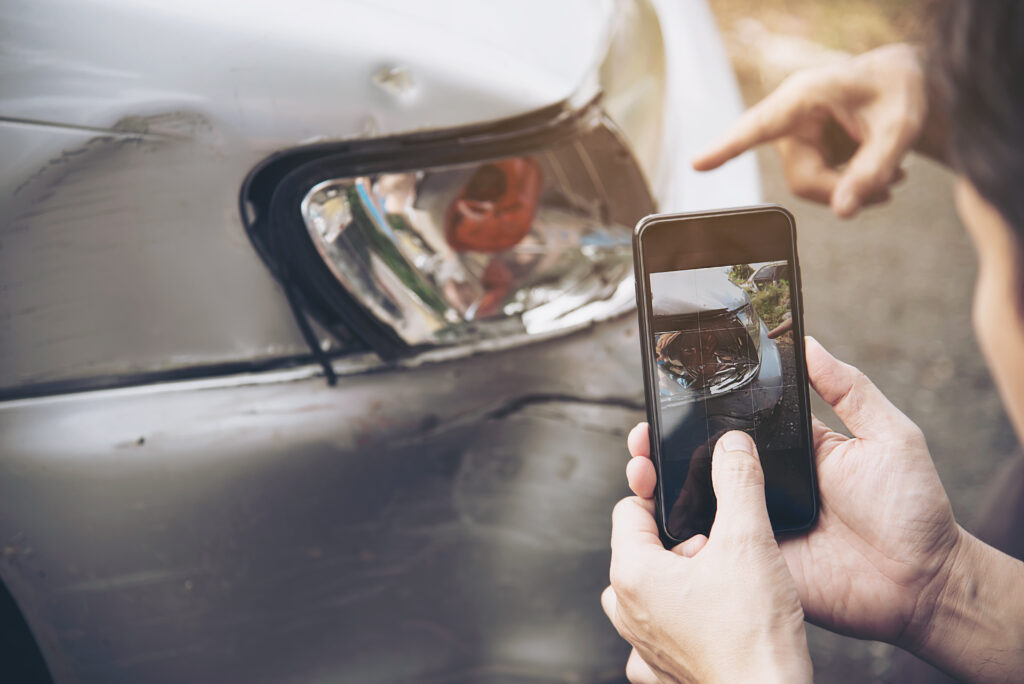
2. Take photos of everything
- The vehicles
- Your injuries
- Road conditions
- Driver’s info
- The rideshare app screen
3. Screenshot ALL app details
Very important:
- Trip ID
- Route
- Time of pick-up
- Driver’s profile
4. Seek medical attention as soon as possible
Even mild pain counts.
5. Talk to a personal injury attorney before Uber or Lyft contacts you
Their insurance teams are trained to reduce payouts.
Protect Yourself During the Busiest Travel Week of the Year
The last week of December is filled with celebration, but it’s also one of Florida’s most dangerous weeks on the road. If you’re relying on Uber or Lyft to stay safe — that’s smart. But staying informed is just as important.
If you or someone you love is injured in a rideshare accident, you deserve clarity, support, and fair compensation. A quick consultation can make all the difference in how your case unfolds. CONTACT CHRIS HAMBLEN TODAY. CONSULTATION IS FREE.