
Short-term rentals—Airbnb, Vrbo, Booking.com homes, and boutique vacation rentals—continue to explode in popularity across the Tampa Bay area. In neighborhoods like Clearwater Beach, St. Pete, Indian Rocks, and Tampa proper, thousands of travelers choose Airbnbs over traditional hotels every day.
But with that boom comes a growing trend:
More injuries are happening inside Airbnbs than ever before.
Broken stairs. Loose tiles. Faulty decks. Slippery showers. Unstable furniture. Poor lighting. Missing smoke detectors. Even dog bites from hosts’ pets.
And in 2026, the big question every renter asks is:
“If I get injured at an Airbnb… who actually pays?”
Florida law can be confusing, Airbnb policies are complicated, and hosts often try to shift blame to avoid a claim. So today, we break down exactly what you need to know.
Why Airbnb & Short-Term Rental Injuries Keep Increasing
In 2024–2026, Tampa Bay has seen:
- A 60% increase in short-term rental listings
- Rapid turnover of guests
- More amateur hosts entering the market
- Looser maintenance routines
- Poor safety inspections
- More “DIY renovations” gone wrong
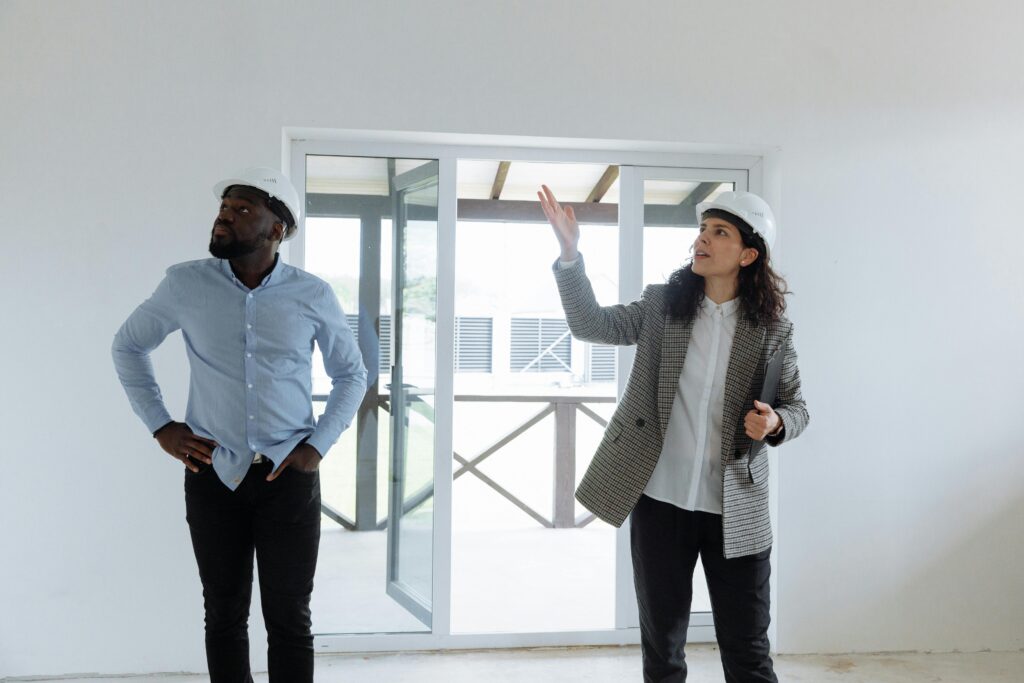
As a result, guests are more likely to be injured because many owners treat their rental like a business… without the responsibility of one.
Common injuries include:
- Slip and fall accidents
- Trip and fall hazards
- Balcony and deck collapses
- Broken furniture accidents
- Poorly maintained stairs
- Faulty appliances
- Fire and smoke issues
- Pool and hot tub injuries
- Dog bites
- Mold exposure
- Door lock failures leading to assaults
When injuries happen, the biggest misconception guests have is that Airbnb will automatically pay. But the truth is more nuanced.
Who Pays If You’re Injured at an Airbnb?
In Florida, responsibility depends on how the injury happened, who was negligent, and what insurance applies. Here’s the breakdown:
1. The Airbnb Host May Be Legally Liable
Under Florida premises liability laws, Airbnb hosts must keep the property reasonably safe for guests. That includes:
- Fixing hazards
- Providing adequate lighting
- Maintaining stairs and walkways
- Ensuring floors aren’t slippery
- Keeping pools and spas safe
- Repairing broken locks
- Following fire code
- Securing pets
- Removing tripping hazards
- Keeping the property clean and sanitary
If a host knew or should have known about a dangerous condition and failed to fix it, they can be held responsible.
Examples of host negligence:
- A broken handrail that has been loose for months
- A leaking shower that causes slippery bathroom tiles
- Missing smoke detectors
- A poorly lit staircase
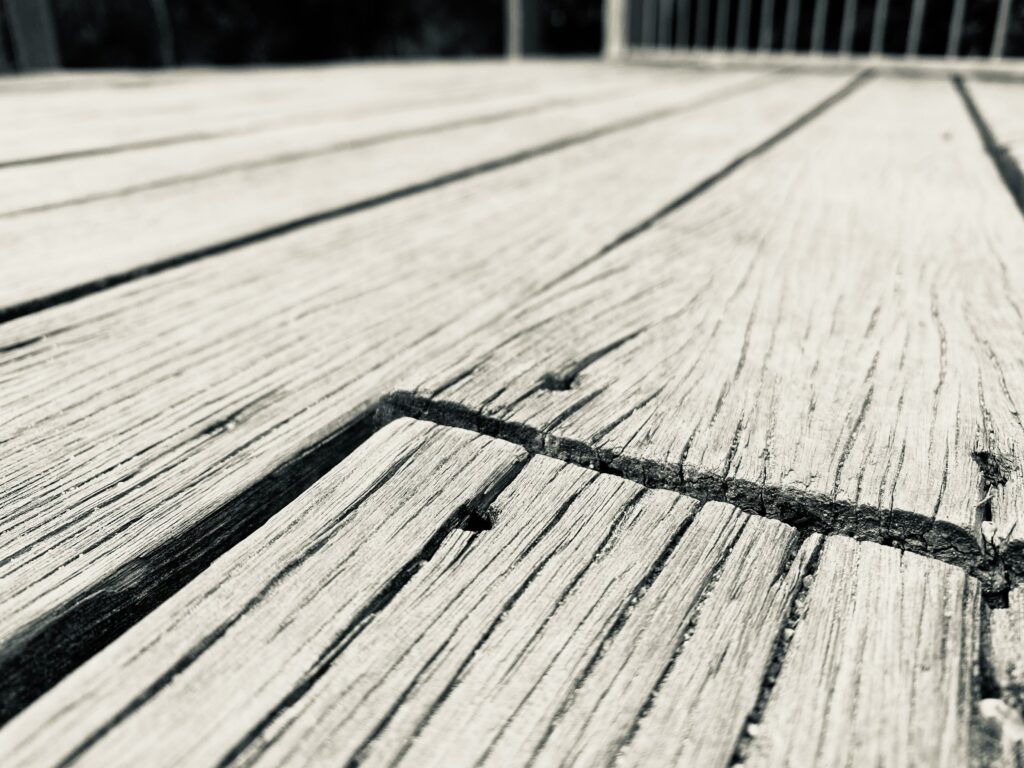
- A deck with rotting wood
- A dog that has bitten before
- Mold or structural issues ignored
If the host is negligent, their homeowner’s insurance or landlord policy may cover your injuries.
But… many hosts don’t disclose they’re using the property as a short-term rental.
In that case, their insurance may deny the claim, pushing the responsibility back toward Airbnb.
2. Airbnb Has Host Liability Insurance (But It Has Limits)
Airbnb provides up to $1 million in host liability coverage.
This can apply when:
- The host is negligent
- The host’s insurance denies the claim
- The property has unsafe conditions
- A guest or visitor is injured
- A pet injures a guest
However, Airbnb often denies claims unless the evidence is extremely clear.
Coverage does not apply to:
- Intentional acts
- Criminal conduct
- Guest negligence
- Car accidents
- Communicable diseases
- Several categories of “shared responsibility” injuries
Platforms like Vrbo or Booking.com may have no coverage at all, depending on the listing.
This is why an attorney is so important—so you’re not navigating appeals and denials alone.
3. A Property Management Company May Be Liable
Many Florida Airbnbs are run by management companies handling:
- Cleaning
- Repairs
- Construction
- Inspections
- Guest communication
If a management company failed to fix a hazard, botched a repair, or skipped safety procedures, they may share responsibility.
4. Third Parties May Be Responsible
Other companies may be liable, including:
- Contractors
- Pool companies
- Cleaning companies
- Furniture manufacturers
- Maintenance services
For example:
- A contractor who installed a faulty deck
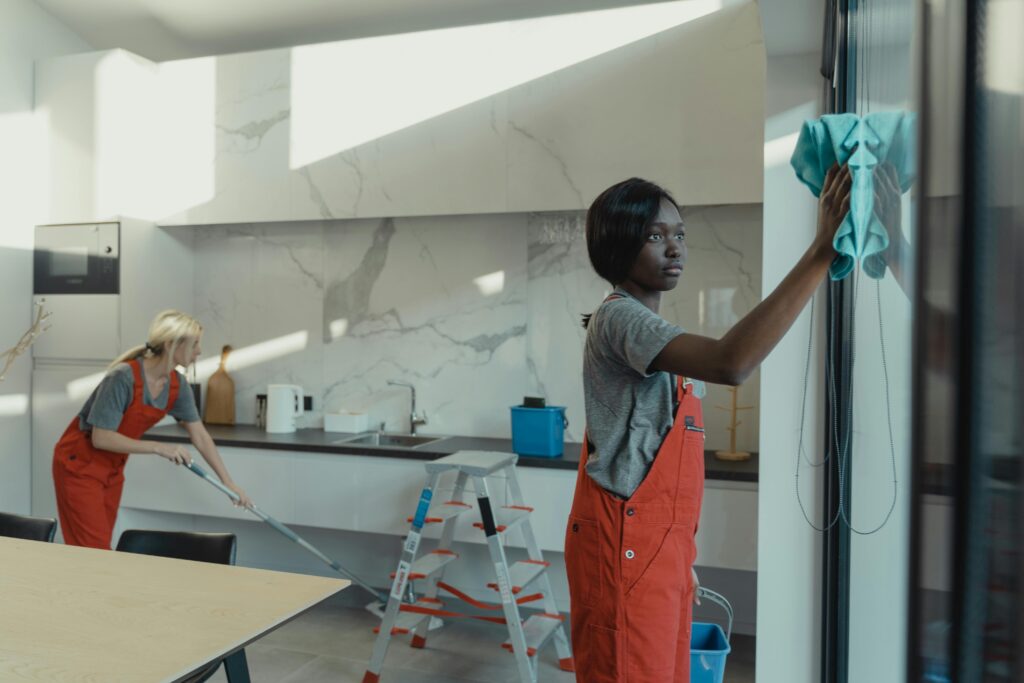
- A cleaning team who left chemicals or water on the floor
- A furniture company whose defective chair collapsed
Your attorney can investigate and identify every responsible party.
What to Do Immediately If You’re Injured at an Airbnb
Your actions right after the injury can make or break your claim.
1. Take Photos and Videos of EVERYTHING
Document:
- The hazard
- Your injuries
- The entire room or area
- Lighting conditions
- Broken objects
- Stairs, floors, rugs, or surfaces
- Decks or balconies
- Swimming pools
Visual evidence is powerful in Airbnb injury cases.

2. Report the Incident Through the Airbnb App
Do this in writing so there is an official timestamp.
3. Seek Medical Attention Immediately
Even minor injuries can worsen later.
A documented medical visit also supports your claim.
4. Do Not Confront the Host About Fault
Hosts often get defensive and try to “fix the story.”
5. Save all communications, receipts, and booking records
Airbnb keeps message history, which is useful.
6. Contact a Florida Airbnb Injury Attorney ASAP
A Florida Airbnb Injury lawyer can:
- Preserve evidence
- Communicate with Airbnb
- Deal with insurance companies
- Request security footage
- Investigate maintenance records
- Identify all possible liable parties
- Maximize your compensation
Injury cases involving rental platforms move fast, and evidence disappears quickly—especially if another guest checks in after you.
What You May Be Entitled to After an Airbnb Injury
You may recover compensation for:
- Medical bills
- Physical therapy
- Lost wages
- Lost earning potential
- Pain and suffering
- Emotional distress
- Scarring or disability
- Property damage
- Future medical care
- Out-of-pocket costs
Serious injuries can be worth significantly more.
When to Contact an Attorney
If you were injured at an Airbnb in Tampa, Clearwater, St. Pete, Largo, or anywhere in Tampa Bay, you should reach out to a personal injury attorney immediately if:
- You fell or tripped
- A railing broke
- A deck or balcony collapsed
- A dog bit or attacked you
- You were burned, shocked, or injured by appliances
- You were hurt by unsafe steps or walkways
- A pool or hot tub caused injury
- You inhaled toxic mold
With Florida leading the nation in short-term rental growth, Airbnb injuries will continue rising in 2026. Hosts, platforms, and insurance companies may all try to avoid responsibility—but you deserve to be protected.
If you were injured at an Airbnb, you shouldn’t have to fight this battle alone.
Hamblen Injury Law will investigate your case, hold negligent parties accountable, and help you get the compensation you deserve.